Rebuilding a 20-Year Operational Web System Without Interrupting Live Workflows
ProCare’s platform supported five operational service divisions through a deeply connected web system built over two decades.
Codelinear led the complete modernization of the platform — rebuilding the experience architecture, engineering system, responsive framework, and migrating more than 2 million historical form records into a new environment without operational disruption.
A Web System Supporting High-Volume Service Operations
ProCare’s core platform managed critical operational workflows across five distinct service divisions. Each service depended heavily on complex inquiry routing, continuous daily workflows, historical compliance records, and responsive accessibility across multiple environments.
Over twenty years, as database tables and custom forms grew organically, the legacy system became increasingly difficult to scale, maintain, and optimize for modern high-volume usage, creating a critical need for structural modernization.
Workflow Dependencies
Mapped every integration, internal service boundary, and division-specific form flow to ensure no service triggers were lost.
Modernizing the Platform Without Breaking Existing Operations
Before a single line of legacy code was replaced, Codelinear conducted a comprehensive mapping of the system's architecture. Modernizing a platform of this scale requires surgical precision to prevent operational service downtime.
We mapped every data node, evaluated dynamic form templates, tracked service integrations, analyzed responsive bottlenecks, and identified components sensitive to migration risks. This detailed blueprinting phase created the foundation needed to design the new platform while fully protecting decades of live operational workflows.
Rebuilding the Platform Through a Complete Web Engineering System
Instead of wrapping legacy modules in temporary patches, we designed and implemented a unified web engineering system. We rebuilt the platform from its foundation — standardizing experience architectures, cleaning CSS patterns, and preparing the system for long-term scale and maintainability.
Restructuring the Experience Architecture
Operational systems require clear task prioritization. We analyzed patient dispatch routing and inquiry logs to restructure navigation structures, making the most frequent tasks accessible within fewer clicks.
- •Centralized inquiry dashboard minimizing tab switches.
- •Modular layout blocks adapted for high-volume inputs.
- •Clean operational validation status indicators.
Rebuilding the Frontend System for Performance
We standardized the component tree, removing nested redundancy, and built reusable component patterns. This decreased initial payload sizes and improved page load metrics across all five business units.
- •Standardized component library using a clean token system.
- •Fast page load times, optimizing for core web vitals.
- •Consistent interaction guidelines across different service forms.
Simplifying Operational Workflows Across Every Device
Operational workflows do not just live on desktops. Coordinators, drivers, and healthcare administrators interact with ProCare’s systems in clinical settings, dispatch centers, and in the field.
The redesigned experience translates complex desktop inquiry forms into mobile-first interfaces without reducing density or data integrity. Custom form inputs, floating contextual panels, and responsive grid layouts ensure seamless usage across desktop, tablet, and mobile sizes.
New Service Inquiry
ID: INQ-29402Migrating More Than 2 Million Historical Records Into a New Environment
Operational continuity is defined by historical data. Decades of service audits, billing details, and patient routing logs could not be compromised or misplaced.
The migration system validated more than 2 million records through a rigorous five-stage pipeline. By executing a safe structural transition and continuous validation checks, we completed the data move without losing a single form entry or disrupting live healthcare operations.
Structural Mapping
Aligning 20 years of flat database schemas and custom form structures with the new relational normalization model.
Building a Faster and More Maintainable Platform
A premium operational platform requires top-tier performance. By eliminating years of redundant script loading, optimizing image resources, and structuralizing CSS layouts, we delivered an enterprise-grade platform.
The modernized frontend layout improves PageSpeed metrics, ensures consistent rendering across edge case browsers, and features structured SEO attributes. The result is a system prepared to scale along with ProCare’s future volume.
Optimized bundle sizes, deferred offscreen image payloads, and fast initial paint times.
Fully accessible semantic HTML layout, ARIA screen-reader support, and AA contrast levels.
Standardized modern JS protocols, secure cookies, and strict API transmission security.
Comprehensive JSON-LD metadata, structured sitemap hierarchies, and index optimization.
Thoroughly Tested Before Rollout
Launching a major structural update for five live service divisions demands absolute reliability. Any mistake could delay patient transport, patient care scheduling, or critical interpretation matches.
We validated every data pipeline, form validation parameter, and responsive component through a series of testing phases. This rigorous QA framework helped guarantee operational workflow stability, zero downtime, and complete launch reliability.
Checked dispatch event triggers, form submissions, and database write validations across all service divisions.
A Modernized Platform Built for Long-Term Operational Reliability
By partnering with Codelinear, ProCare successfully transformed its 20-year legacy system into a high-performance web system. Most importantly, the entire transition, testing, and migration was executed with zero disruption to daily live operations.
Rebuilt Responsive System
A single unified component base that fluidly scales from desktop browser platforms to field tablet screens, preserving 100% of functional capabilities.
Modernized Intake Workflows
Simplified form structures that speed up intake routing and patient coordination across five operational divisions.
Zero Record Loss
Fully validated data migration pipeline that transitioned more than 2 million records with zero schema matching errors or duplicate entries.
Optimized Performance
Green Lighthouse scores (98+ performance) reducing backend load times and initial screen paints under concurrent request peaks.
Long-Term Scalability
A clean, modern React frontend architecture that makes it simple for internal engineering teams to add features, adjust schemas, and scale platforms.
Complete system migration and rollout completed without a single service outage or delay across any operational division.
Modernizing Legacy Web Systems for Operational Businesses
Codelinear helps operational companies rebuild aging web systems through experience architecture, engineering reconstruction, migration planning, and long-term technical execution.
Read the next case study

A Disruptive marketing solution
SEA's mission was straightforward: a tool that went beyond the frills, delivering tangible impact in the unpredictable landscape of SEO.

Transforming the digital presence of a trading giant.
TRADEJINI stands at the forefront of stock broking, offering a platform where financial possibilities know no bounds.

Pioneering Financial Excellence in the Digital Frontier
Singhvi Dev & Unni LLP (SDU) stands as an unparalleled powerhouse, boasting the distinction of being one of the biggest accounting and finance firm in the country.

Enabling vacations in South Montana to the world
With an array of properties scattered across the picturesque region, VacayStay 406 needed a digital transformation that mirrored the grandeur of South Montana's landscapes.
Shifting the presence of an upcoming marketing giant
Contrasted Marketing, with its prowess in digital campaigns, recognized the need for a digital transformation that mirrored their vibrancy and innovation.
Digital marketing strategies made simple
Our visionary architects of digital experiences were tasked with redefining Kanbar Digital's online presence.

Redefining the global presence of a leading garment exporter
Wear Well ensures that each creation is a manifestation of timeless elegance, meticulously curated to resonate with the ever-evolving standards of global fashion. Catering to leading brands like Zara, Massimo Dutti, Mango etc.
Making an innovative beverage more accessible
Leaf & Hive, known for pushing the boundaries of brewing, sought a digital presence that mirrored the sophistication of their Jun creations.
Actionable insights to aid biopharma businesses in making big decisions
IMAPAC is the global biopharmaceutical industry's one-stop shop for business connections and biopharma data.

A modern solution to traditional craftsmanship
Klassen and Smith, a leader in the US construction industry. They are renowned for blending traditional craftsmanship with cutting-edge technology to produce top-quality outcomes.

Elevating luxurious men’s socks digital platform
William Abraham, a visionary in the world of men's fashion, they are popular for introducing luxury into men’s socks.

Shifting the pace with performance apparel
Vuori is the leading Performance Apparel brand in California. They blend art and sport to create jaw dropping apparels that inspire people to live healthy lives.
Innovating a home-grown furnishing brand’s reach
Homes r Us, the UAE's premier home furnishing and décor brand, has long been synonymous with exquisite style and a deep understanding of local aesthetics.

Refining the way surveys are done
Landmark is one of the leading land surveying and zoning companies in the US. Our alliance with this bastion of precision marks a pivotal chapter in the digital transformation of the land surveying industry.
.17a3330e.png&w=1920&q=75)
Ensuring investments in startups are more secure
Klub is an ambitious investment app that wanted to revolutionize the way people invest in startups, treasury, and cryptocurrency.
.952316f4.webp&w=1920&q=75)
Redefining the way people manage finances
Kernel wealth is the #1 upcoming wealth management company in the New Zealand.

Revolutionary healthcare now at your fingertips
Hinge health is a digital clinic for joint and muscle care that aims to eliminate long waiting times, convoluted appointment scheduling, and a lack of personalized care.
.f47c606b.png&w=1920&q=75)
Helping the world switch to sustainable energy- seamlessly
Cowboy aims to offer a seamless and enjoyable riding experience, combining technology, design, and functionality to meet the needs of urban commuters.
.d7fff838.webp&w=1920&q=75)
Making recruiting accessible worldwide
Deel is a global payroll and compliance platform designed to simplify and streamline the process of hiring and paying remote team members or international contractors
.8c7952fa.webp&w=1920&q=75)
Supply Chain, logistics made seamless
Convoy is a tech company that focuses on streamlining logistics. They bridge the gap between carriers and brokers.
.dc18406d.png&w=1920&q=75)
Driving business growth with revolutionary mental healthcare
Lyra is making mental healthcare a reality, not a privilege. They connect people with top-notch therapists using smart tech, all while keeping quality care at the heart of everything they do.
.24f26d12.webp&w=1920&q=75)
Easing the conversation between clients and brokers
Middle streamlines the process of getting home loan advice by allowing users to securely share everything your broker needs in minutes.
.ee0ba1cb.webp&w=1920&q=75)
Changing the way people shop.
Founded in 1943 in Sweden, IKEA has evolved into a global household name, synonymous with stylish, functional, and affordable furniture and home accessories.
Empowering students across the world through aI
Course Hero empowers students with a massive library of learning materials. From practice problems to study guides, students can access millions of resources to conquer their courses.
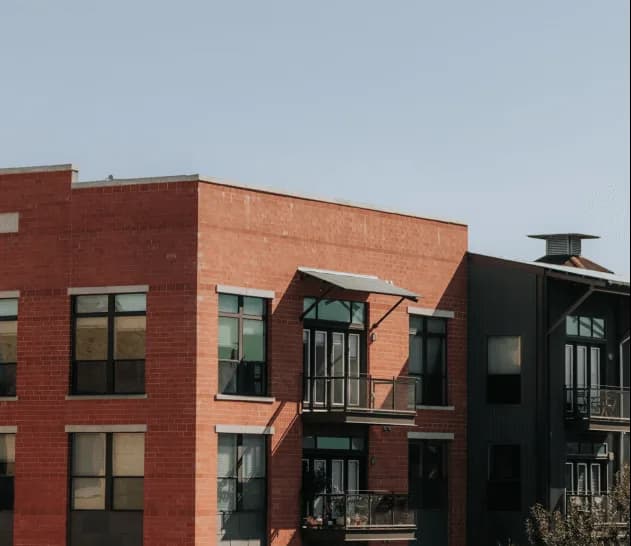
Reimagining neighborhoods and residences
Mica Rino is an apartment rental agency that is known for blending sharp industrial styling with earthy materials and artistic details for a truly distinctive edge.
.5d9e93c3.png&w=1920&q=75)
Visualizing architecture made easy
Lit Up Visuals is a visual studio that specializes in bringing sustainable architecture, renewable energy, and interior projects to life through 3D modeling and rendering.
.025b473d.webp&w=1920&q=75)
Bettering the experience of a hotel management system
Booking Factory is a cloud-based property management system designed specifically for hotels and similar hospitality businesses.

Helping vegan, hand-crafted skincare go worldwide
Sodashi is a skincare brand that helps people embrace mind, body, and spirit rather than just treating the skin.
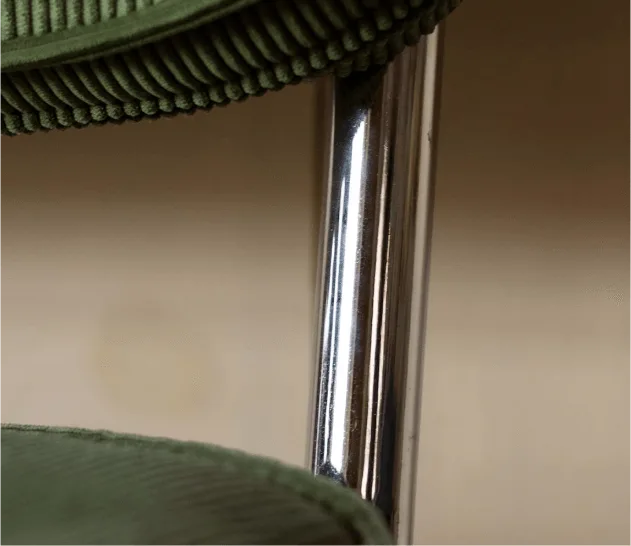
Helping a thought leader in bettering workplaces
Steelcase is a global design and thought leader in the world of work. They design and manufacture innovative furnishings and solutions to help people do their best work in the many places where work happens.

Empowering designers to make simple products that solve problems
Studio Neat is a Texas-based design company founded in 2010 by Tom Gerhardt and Dan Provost. They specialize in creating simple, well-designed products that solve everyday problems.
Automating tasks so businesses can focus on what matters
Moveworks is an American company that develops an artificial intelligence (AI) platform designed to streamline employee support in large enterprises
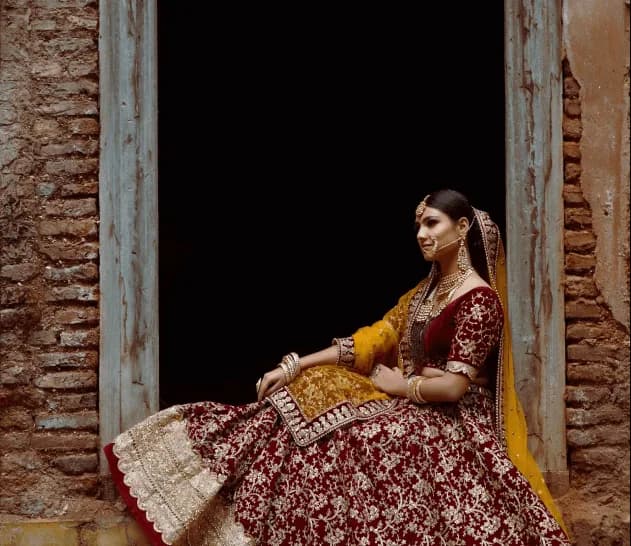
Uplifting pioneers in ethnic wear
A popular Indian fashion brand, Soch specializes in ethnic wear for women, known for its vibrant colors, intricate designs, and blend of traditional and contemporary styles

Expanding the global reach of a clothing giant.
Mango is recognized for its on-trend and fashion-forward designs. The brand embraces a modern and sophisticated aesthetic across its clothing and accessory collections.

A Breath-taking digital presence for a Breath-taking tour agency
Wilderness Travel is an award-winning adventure travel company that offers trips to many exciting destinations around the world .They design itineraries that are both adventurous and culturally immersive.